
Exercise-Club
Select Today's Exercise
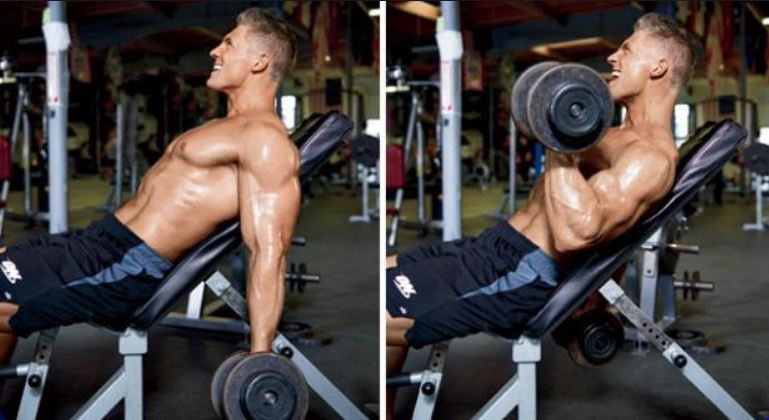
Incline Hammer Curls
Equipment: Dumbbell
Time Required: 120s
Instruction: Seat yourself on an incline bench with a dumbbell in each hand. You should pressed firmly against he back with your feet together due to the shape of the bar .
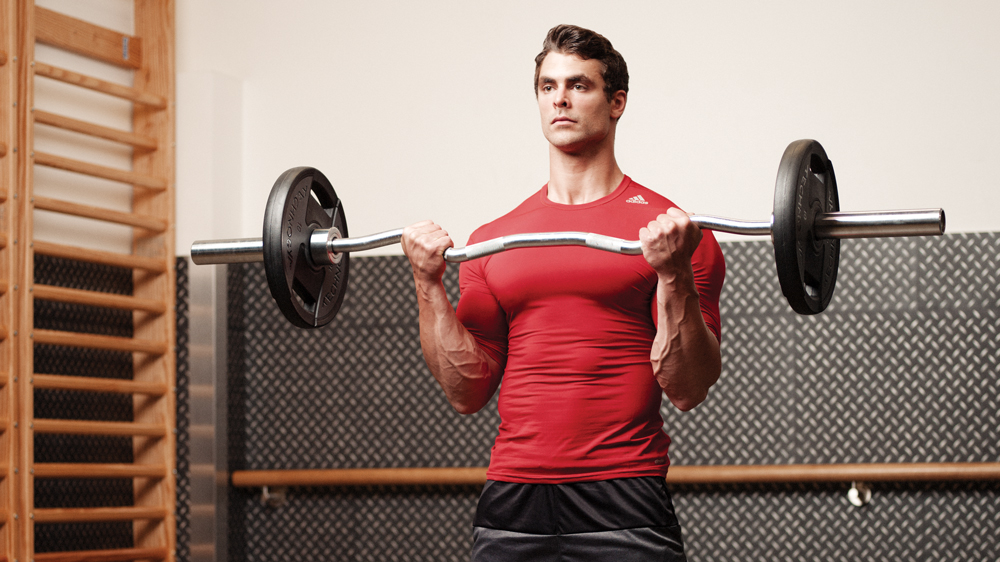
EZ-Bar Curl
Equipment: E-z_curl_bar
Time Required: 180s
Instruction: Stand up straight while holding an EZ curl bar at the wide outer handle. The palms of your hands should be facing forward and slightly tilted inward due to the shape of the bar.

Smith Machine Calf Raise
Equipment: Machine
Time Required: 160s
Instruction: Place a block or weight plate below the bar on the Smith machine. Set the bar to a position that best matches your height. Once the correct height is chosen and the bar is loaded.

Close-grip bench press
Equipment: Barbell
Time Required: 120s
Instruction: Lie back on a flat bench. Using a close grip (around shoulder width), lift the bar from the rack and hold it straight over you with your arms locked. This will be your starting position.
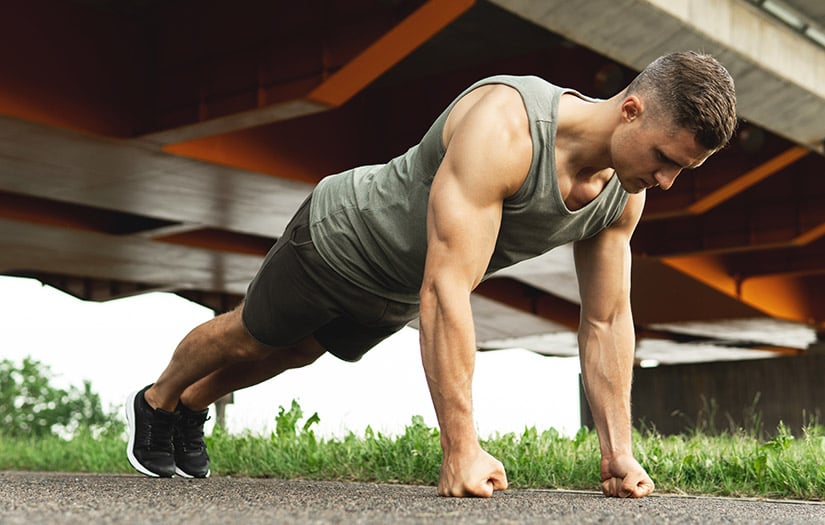
Pushups
Equipment: Body_only
Time Required: 300s
Instruction: Lie on the floor face down and place your hands about 36 inches apart while holding your torso up at arms length. Next, lower yourself downward until chest almost touches the floor.

Straight-bar wrist roll-up
Equipment: Roller or None
Time Required: 180s
Instruction: Hold a barbell with both hands and your palms facing down; hands spaced about shoulder width. This will be your starting position. Alternating between each of your hands.

Natural Glute Ham Raise
Equipment: Body_only
Time Required: 120s
Instruction: Using the leg pad of a lat pulldown machine or a preacher bench, position yourself so that your ankles are under the pads, knees on the seat, and you are facing away from the machine.
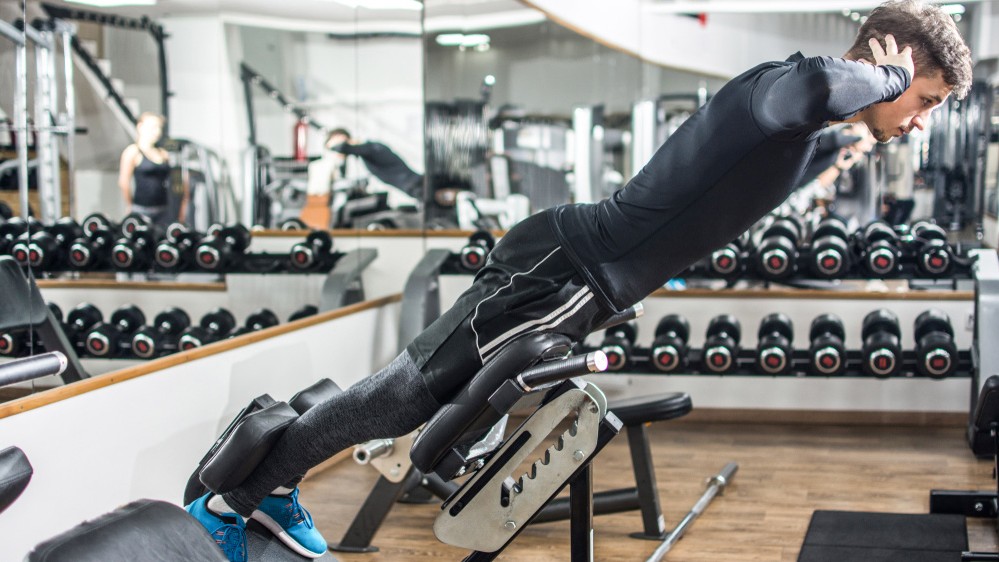
Back extension
Equipment: Body_only
Time Required: 180s
Instruction: Lie face down on a hyperextension bench, tucking your ankles securely under the footpads. Adjust the upper pad if possible so your upper thighs lie flat across the wide pad, leaving enough room.

Lying Face Down Plate Neck Resistance
Equipment: Other
Time Required: 60s
Instruction: Lie face down with your whole body straight on a flat bench while holding a weight plate behind your head. Tip: You will need to position yourself.

Shafkat Saad
Dhaka, Bangladesh65kg
Weight5.8
Height23yrs
AgeAdd A Break
Exercise Details
Exercise Time
0secondsBreak time
Questions
How does react work?
React is a declarative, efficient, and flexible JavaScript library for building user interfaces. 'V' denotes the view in MVC. ReactJS is an open-source, component-based front end library responsible only for the view layer of the application. It is maintained by Facebook. React uses a declarative paradigm that makes it easier to reason about your application and aims to be both efficient and flexible. It designs simple views for each state in your application, and React will efficiently update and render just the right component when your data changes. The declarative view makes your code more predictable and easier to debug. A React application is made of multiple components, each responsible for rendering a small, reusable piece of HTML. Components can be nested within other components to allow complex applications to be built out of simple building blocks. A component may also maintain an internal state-for example, a TabList component may store a variable corresponding to the currently open tab.
What's the difference between props and state?
Props:
1. The Data is passed from one component to another.
2. It is Immutable (cannot be modified).
3. Props can be used with state and functional components.
State:
1. The Data is passed within the component only.
2. It is Mutable ( can be modified).
3. State can be used only with the state components/class component.
What's the uses of useEffect except data loading?
1. Add an event listener for a button.
2. Perform an action when state or props change.
3. Clean up event listeners when the component unmounts.